Solar + storage projects
Pair larger solar generation with storage to shift energy to when it is needed.
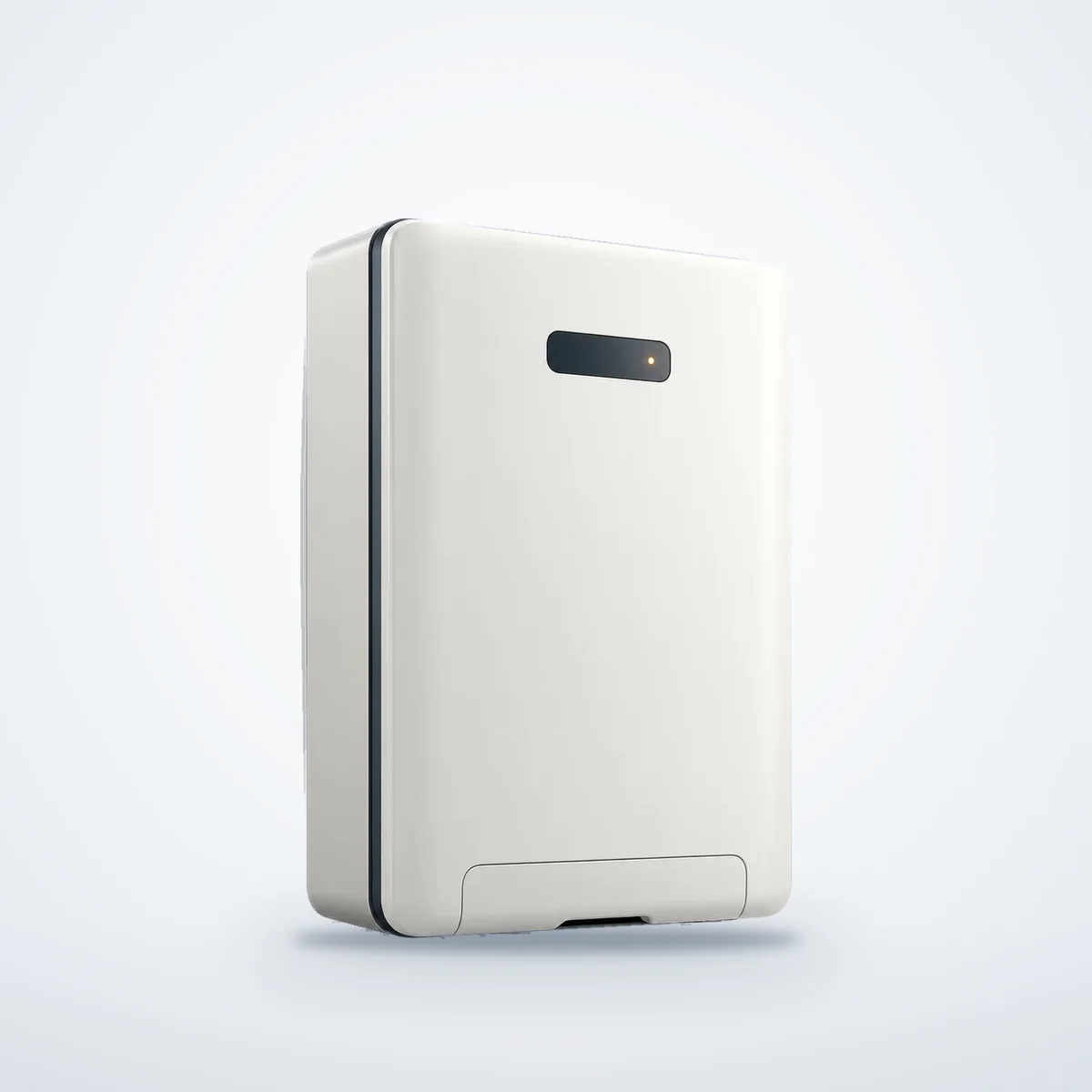
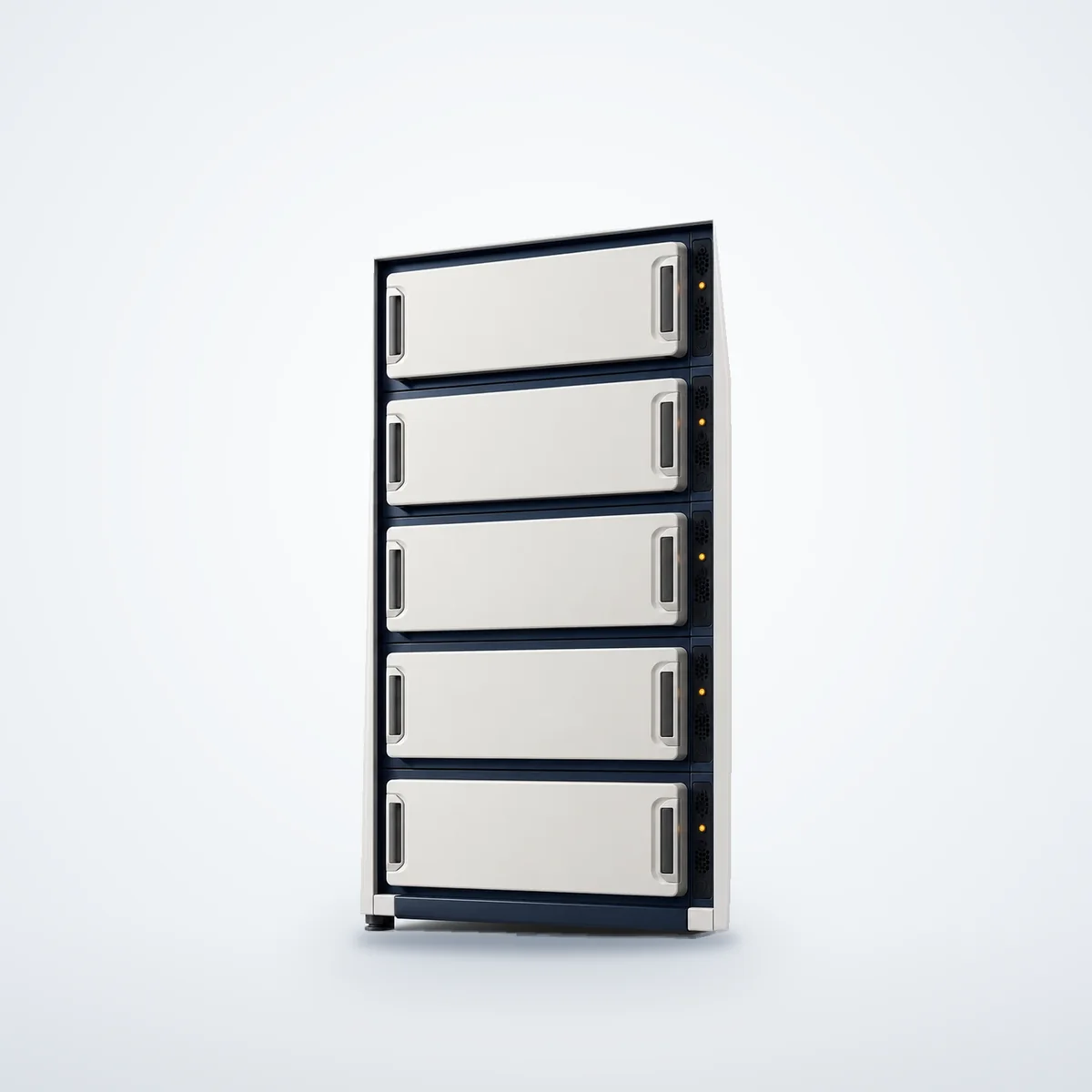
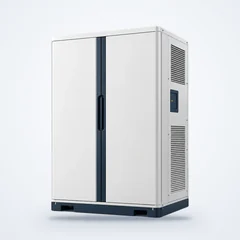
A cabinet-format concept for integrated, site-specific energy projects — engineered around the site, not the catalogue.

01Overview
Larger and remote projects need storage that arrives as a coherent system: batteries, management, protection and thermal design brought together in one integrated cabinet.
Every integrated project starts from the site — its electrical architecture, environment and objectives — so the system can be engineered to fit rather than adapted afterwards.
02Design principles
Batteries, management, protection and thermal design are considered together in one enclosure.
The intended operating environment informs enclosure and thermal decisions from the start.
Site data and objectives drive the configuration through a structured engineering process.
Projects are planned with monitoring in mind, so the system can be understood from afar.
03Where it fits
Pair larger solar generation with storage to shift energy to when it is needed.
Support sites where grid access is limited or unavailable, as defined in the project design.
Integrate storage into the energy architecture of facilities with specific requirements.
04How it connects
The integrated cabinet connects through power conversion to the project’s generation, loads and — where present — the grid. Its role is defined in project engineering, from energy shifting to supporting remote operation.
05Prepare your brief
Project-scale systems start with good site data.
06Questions
With a structured brief describing the site, objectives and existing or planned equipment. The requirements are reviewed before any system is specified.
Off-grid capability depends on the complete project design, including generation, power conversion and backup arrangements. It is defined during project engineering.
The intended environment informs enclosure, thermal and installation decisions. Suitability is confirmed against the final product documentation for each project.
07Explore other systems
Let’s take the next step
Share your site, objectives and timeline — and start the project conversation with a structured brief.