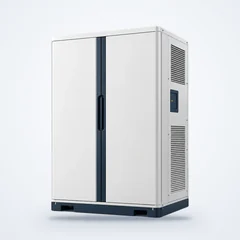
Sites with rooftop solar
Store daytime solar surplus and use it across the working day and beyond.
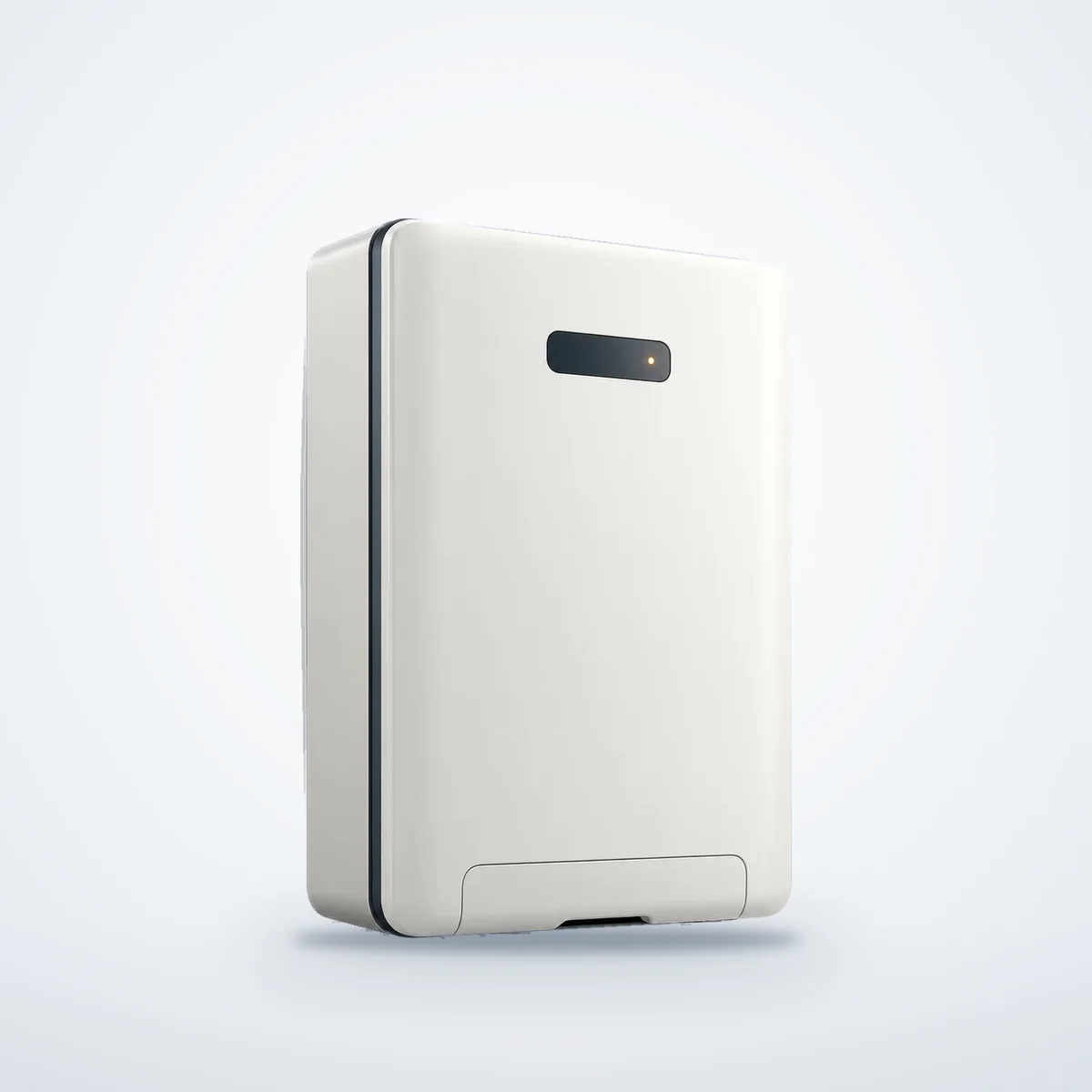
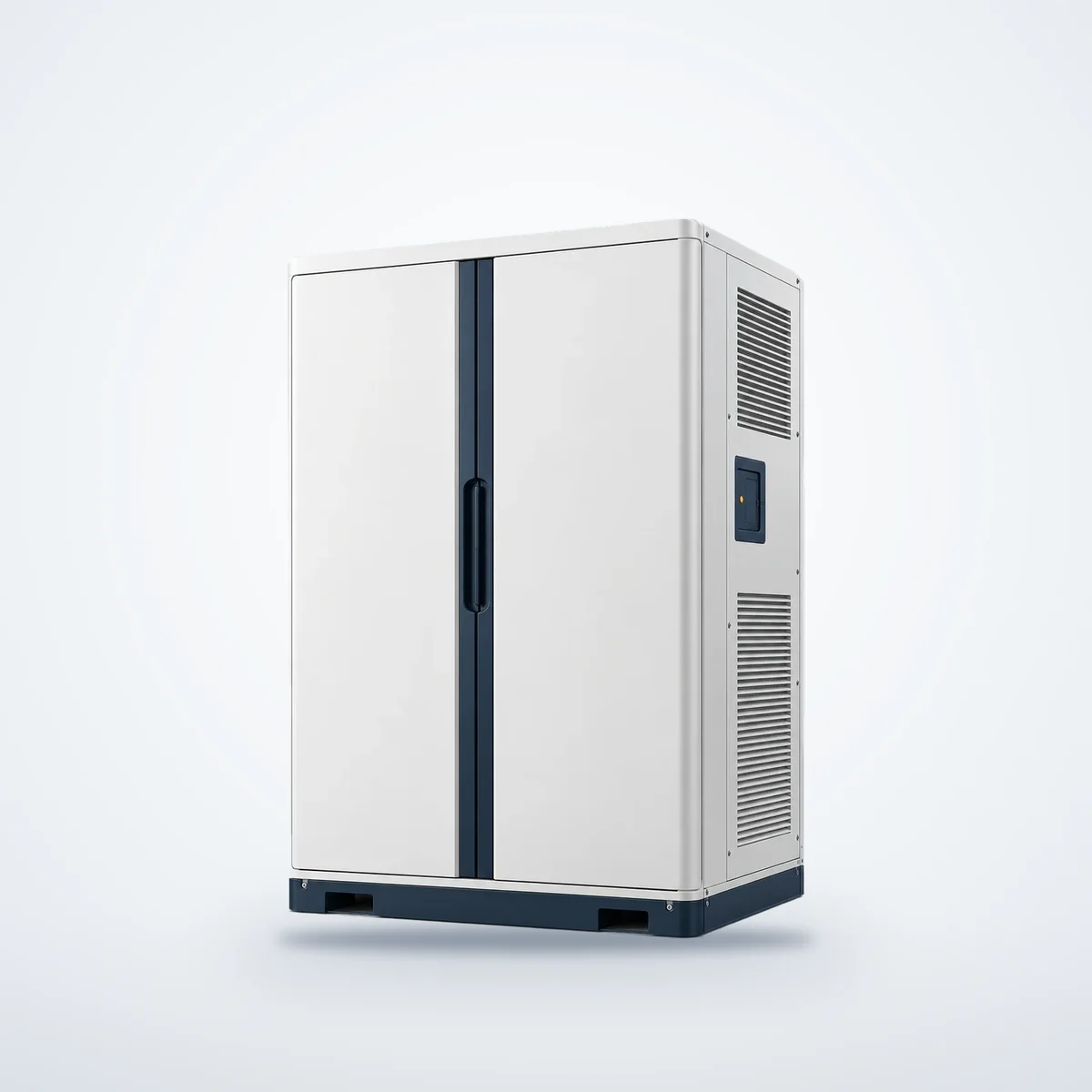
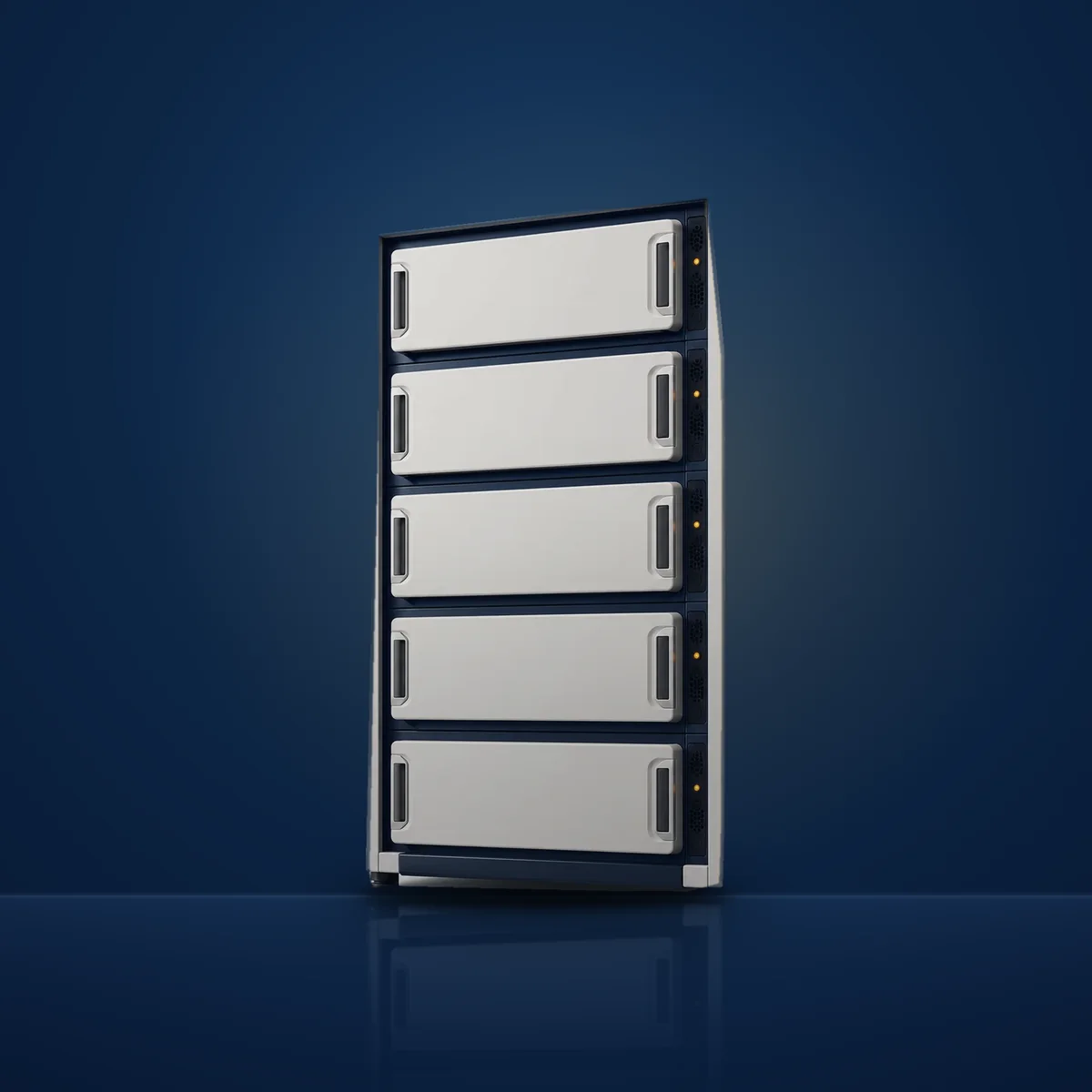
A modular rack-format concept for commercial energy storage — planned around operating hours, load profiles and the way a business grows.
01Overview
Commercial sites rarely use energy the way a home does. Operating hours, demand peaks and critical processes all shape what storage should do — from making better use of on-site solar to supporting demand management.
The modular rack architecture stacks battery modules in a single frame, so a configuration can be planned to the site today with a clear path for tomorrow.
02Design principles
Battery modules share one rack format, so configurations are planned module by module.
Operating hours and demand peaks define the configuration — not a fixed product size.
Front-facing modules and clear access are part of the concept from the start.
Expansion plans are considered up front so the system can grow with the business.
03Where it fits
Store daytime solar surplus and use it across the working day and beyond.
Help manage peaks in site demand where the tariff and system design make it worthwhile.
Support selected critical loads during interruptions, as defined in the system design.
04How it connects
The rack connects through power conversion to the site’s distribution, alongside solar generation and the grid connection. Each element is planned together so the system behaves as one.
05Prepare your brief
The more we know about how the site uses energy, the better the first conversation.
06Questions
From the site’s load profile, operating hours, existing equipment and the role storage should play. The brief captures these so a configuration can be specified and confirmed.
The modular concept is planned with growth in mind. Expansion options are defined during project engineering and confirmed against the final product documentation.
Integration depends on the existing inverters, connection arrangement and site design. Share the details in the brief and compatibility will be reviewed first.
07Explore other systems
Let’s take the next step
Bring your load profile and site details — we’ll help shape the right modular configuration.