
Distribution partners
For companies bringing energy products to their markets.
Collaboration focus
Market fit, portfolio selection and the support your customers need.

Partnerships
Energy storage is a team effort. We work with distributors, integrators, developers and installers who share our belief in considered, well-engineered energy systems.
Concept imagery
01Ways to partner
Every partnership is shaped around what you do best. Choose the one closest to your business to start the conversation.
For companies bringing energy products to their markets.
Collaboration focus
Market fit, portfolio selection and the support your customers need.
For engineering firms delivering complete energy solutions.
Collaboration focus
Technical collaboration on architecture, integration and documentation.
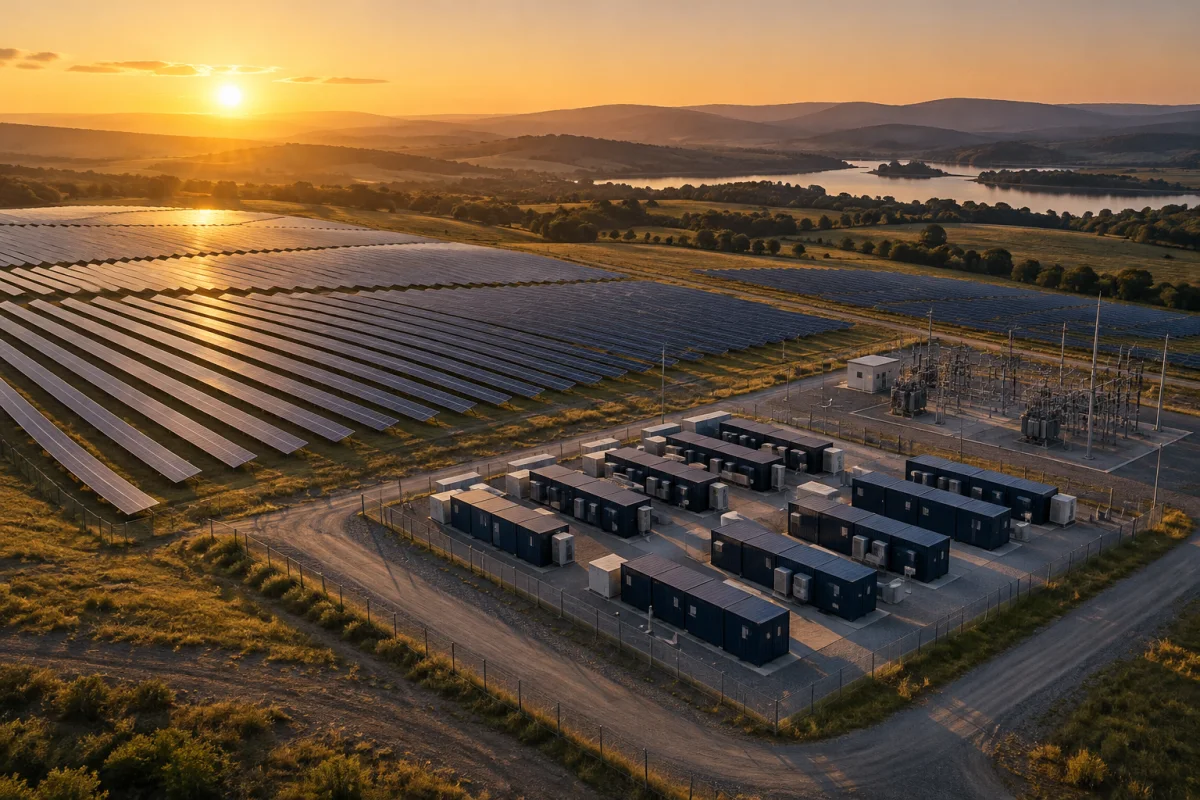
For teams developing solar, storage and site-specific energy projects.
Collaboration focus
Project engineering for integrated, site-specific storage systems.
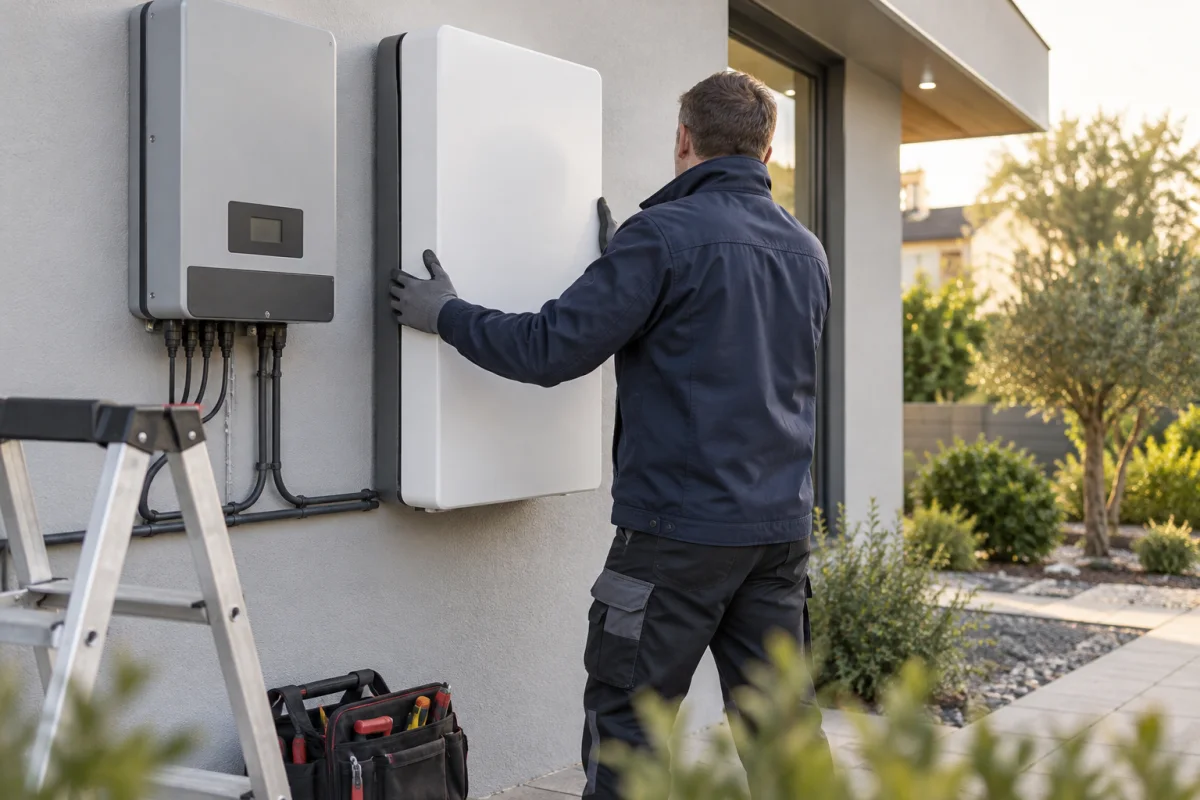
For installers serving homes and businesses with solar and storage.
Collaboration focus
Residential and commercial systems planned with the site from the start.
Concept imagery
02What partnership looks like
The details of every partnership are agreed together. These are the areas we focus on from the first conversation.
Engineering conversations about architecture, integration and the requirements of your projects.
Support shaped around each project — from early sizing questions to integration planning.
Product and project information confirmed against final documentation, so everyone works from the same facts.
Open dialogue about where your market is going and how the portfolio can follow.
03The path to partnership
Tell us about your business, your markets and the customers you serve.
We discuss the systems, applications and support that make sense for you.
Together we agree the scope, responsibilities and the first projects or orders.
We build on results, share what we learn and plan the next steps.
04Your first message
A short, structured introduction helps us prepare a useful first conversation.
Example introduction
We are a solar distributor serving installers in our region. We would like to add residential and commercial storage to our portfolio and are looking for a technical partner for the first projects this year.
05Partner questions
Distributors, system integrators, project developers and installers working with solar and energy storage. Tell us about your business and we will explore the fit together.
Partnership terms are agreed individually, based on the market, the scope and the responsibilities on both sides.
Product and project information is shared and confirmed against final documentation as the conversation progresses — so commitments are always based on confirmed facts.
Use the project brief builder, choose the partnership type that fits and send your brief directly to LIVONUS.
Let’s take the next step
Introduce your business and the partnership you have in mind — the first conversation starts with a short brief.